

Part 1: Burning questions and a new journey of historical discovery
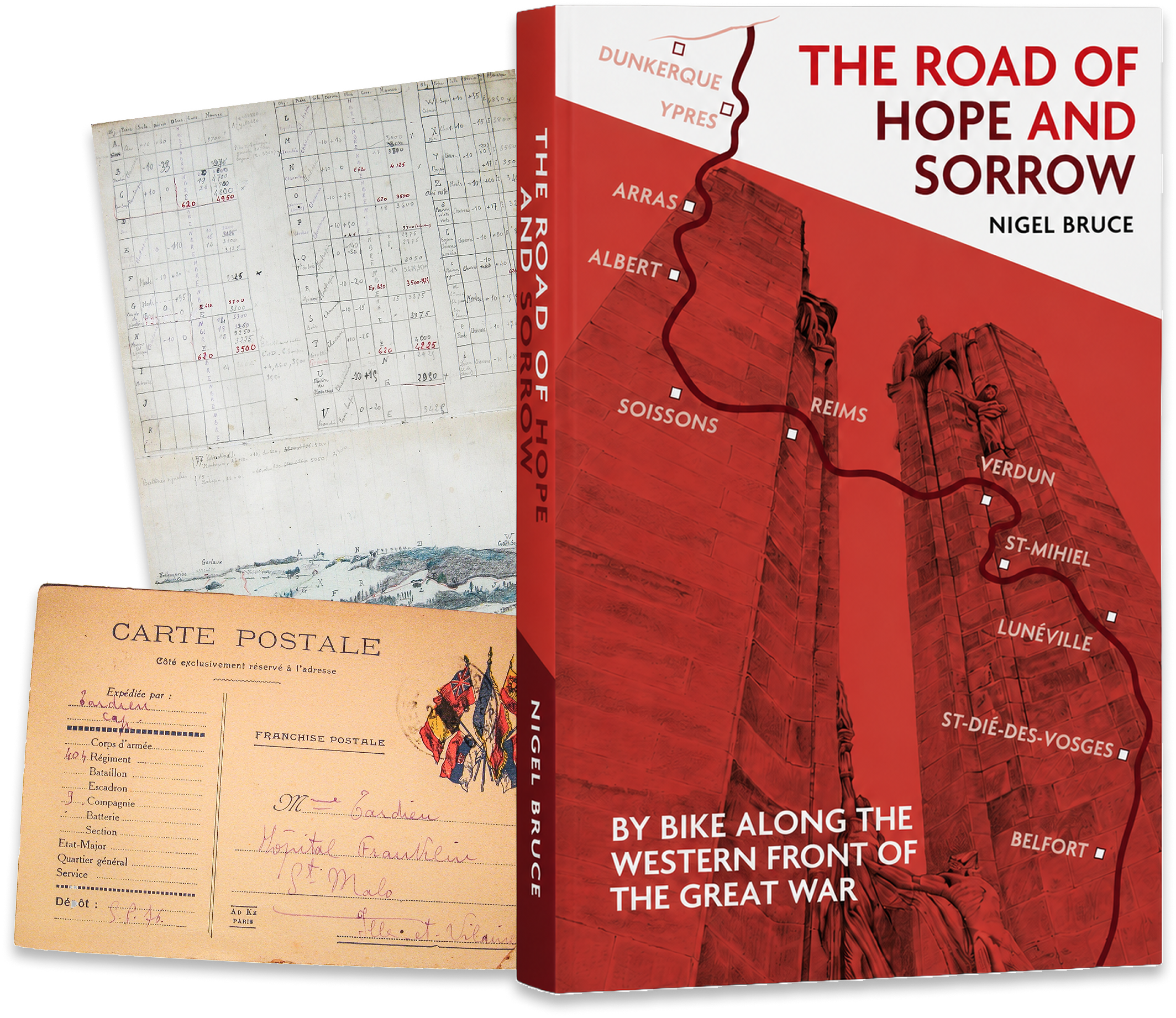
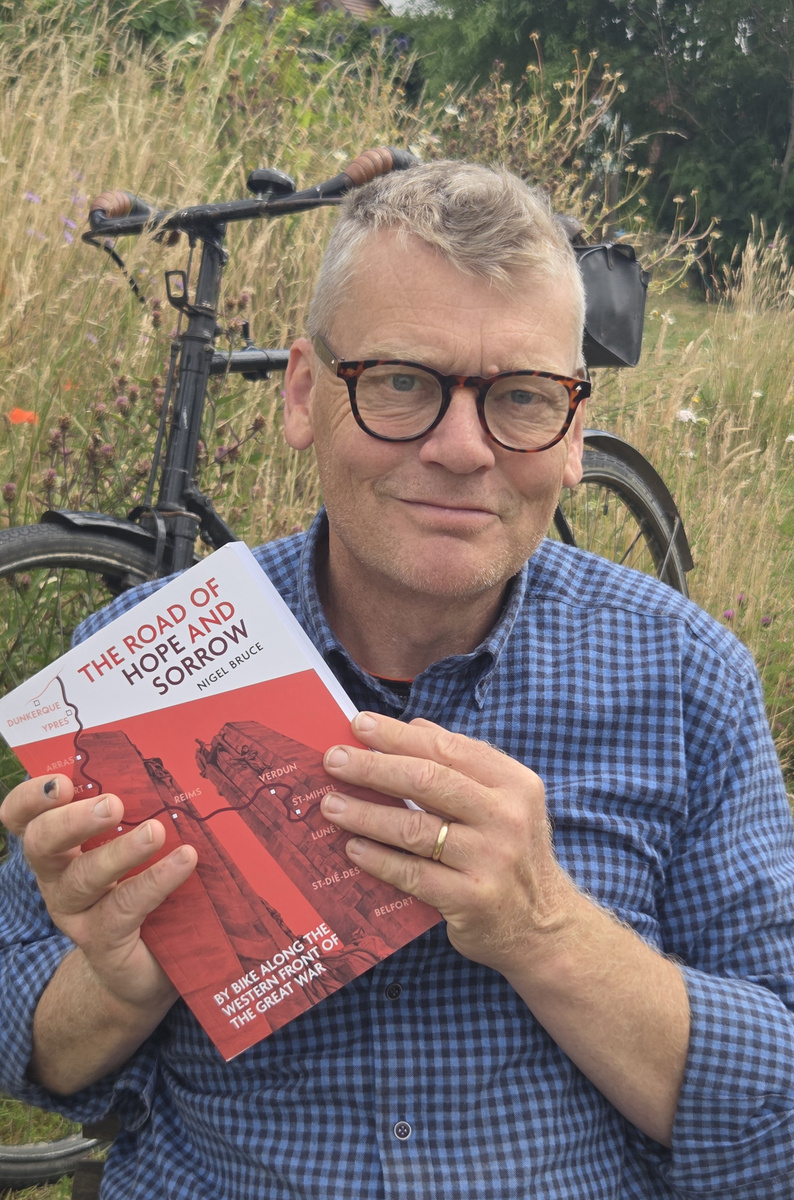
Following publication of my book The Road of Hope and Sorrow: by bike along the Western Front of the Great War, I started this blog to address the many questions that arose as I cycled from Flanders to Alsace about how and why the Great War started, and who took the decisions that launched such a destructive conflict, and why.
Since these questions were very much a part of my ride , I am starting by highlighting the moments in my ride along the Western Front when these arose, with reference to the relevant sections of my book. Later in this article, I will define the questions more concisely and describe how I started to go about finding answers.
Passchendaele, Artois, Vimy Ridge, Arras, and the Somme: already a million dead
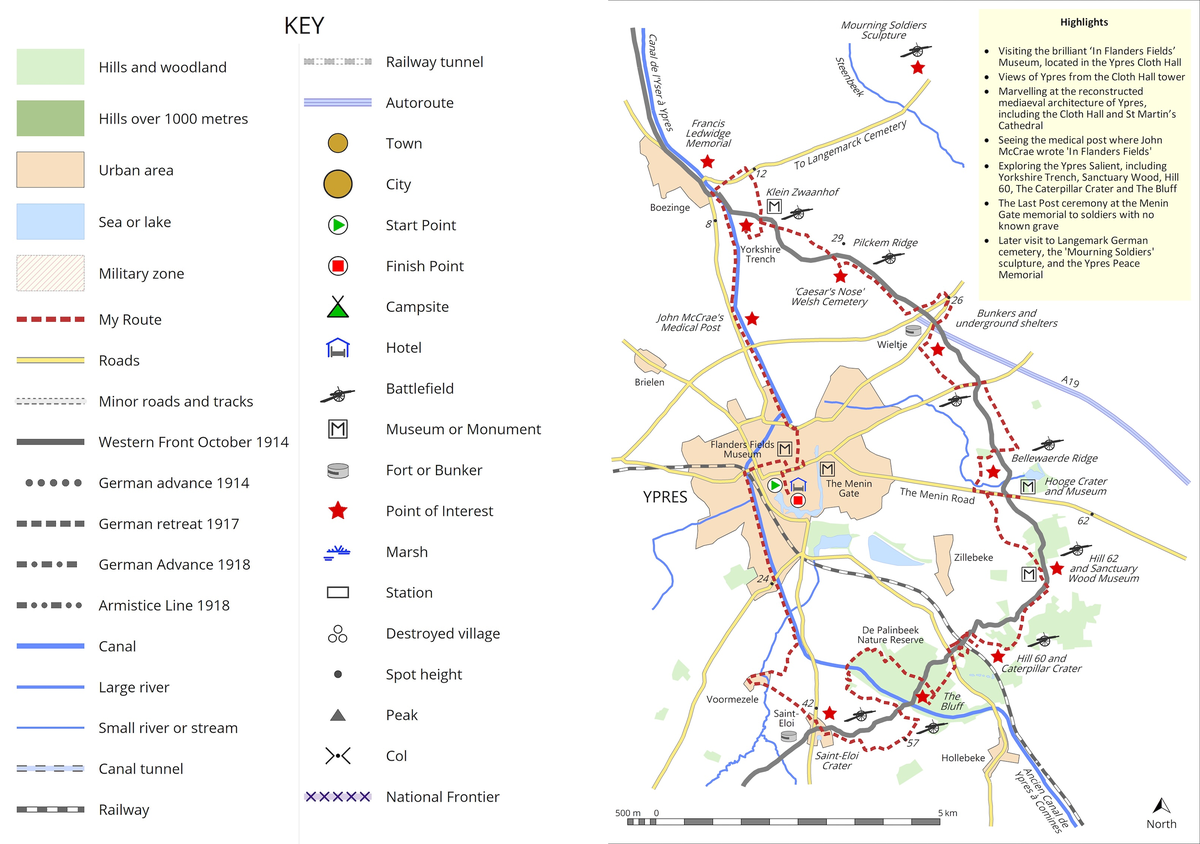
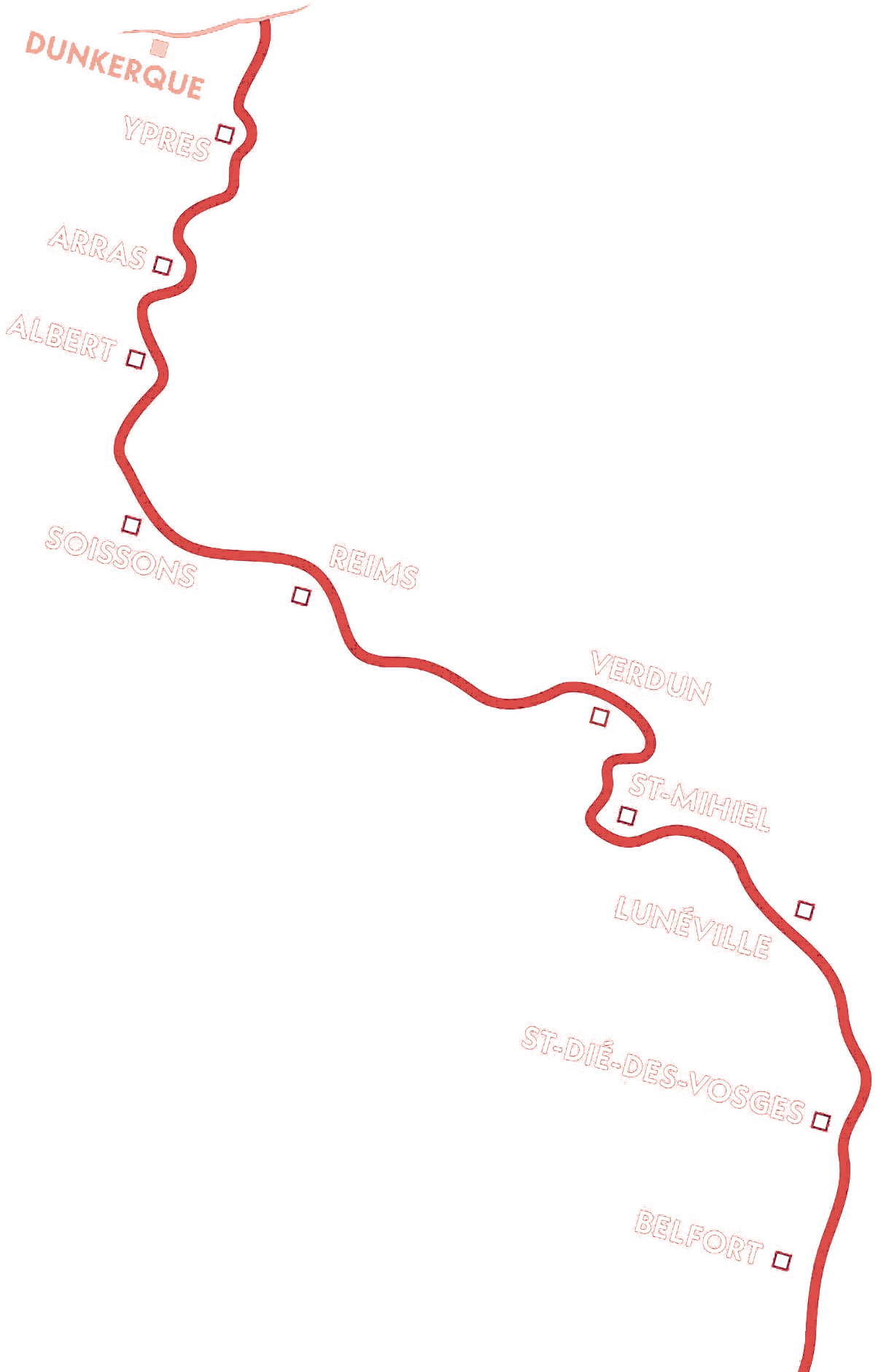
The first notable moment in this journey was as I approached Albert, having ridden south from Flanders through the Ypres battlefields, including Passchendaele, then through Artois, over Vimy Ridge and the northern sector of the Somme. Given what I had seen and learned thus far, it was hardly surprising that my thoughts turned to questions about the causes of the war:
As I reached Albert, found the campsite, and set up my tent, I was thinking back over just how many soldiers had died or been seriously wounded in and around the places I’d ridden through over the last few days. There had been the major battlefields of Ypres and Passchendaele, Lorette Hill, Arras, and The Somme, not to mention the smaller battles of Yser, Fromelles, Aubers, Loos, and countless others. The bodies were piling up beside my route, at least a million dead from both sides and many more wounded so far, and they were following me now.
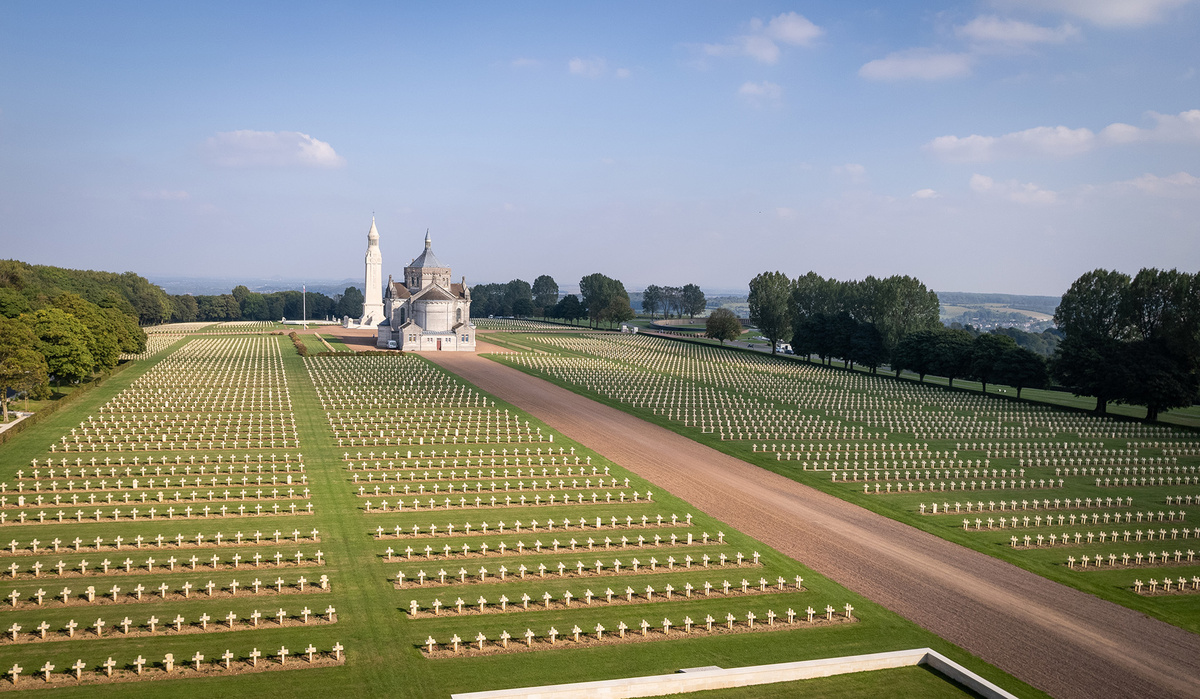
So, those questions about how a war as terrible as this could have happened, were now becoming an ever-present part of my thoughts, as day-by-day, I rode further along the Western Front. I had some sketchy knowledge, and like pretty much everybody knew that the assassination of Archduke Franz Ferdinand seemed to kick off the conflagration. I’d gathered some more bits and pieces on the wider context from the museums, but these were little more than a veneer of underlying causes and antecedents. Surely, I thought, there is no way that the assassination of the heir to the Austro-Hungarian throne would trigger a war like this if Europe’s Great Powers had not had other big issues at stake. Sooner or later, I would have to spend time trying to understand how this war started, and why.
From Chapter 8: Known Unto God (page 149)
I also wanted to know who took the decisisons to go to war, and why
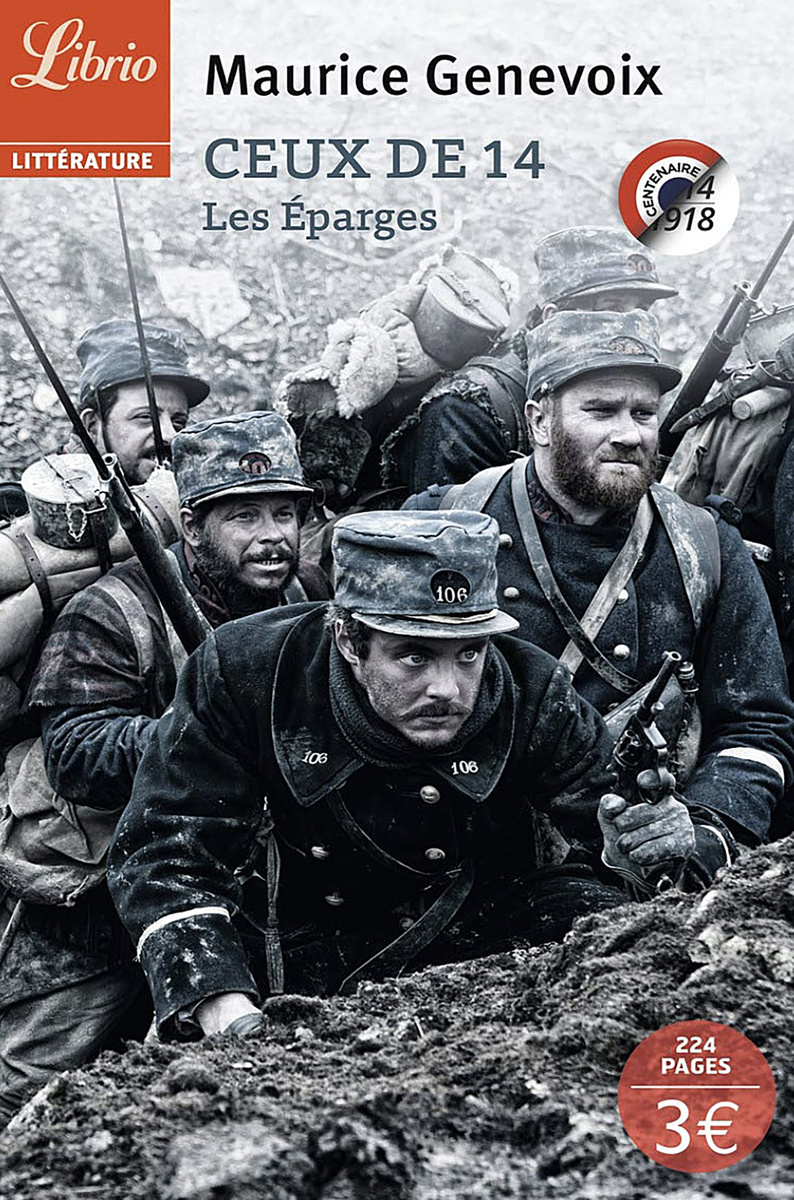
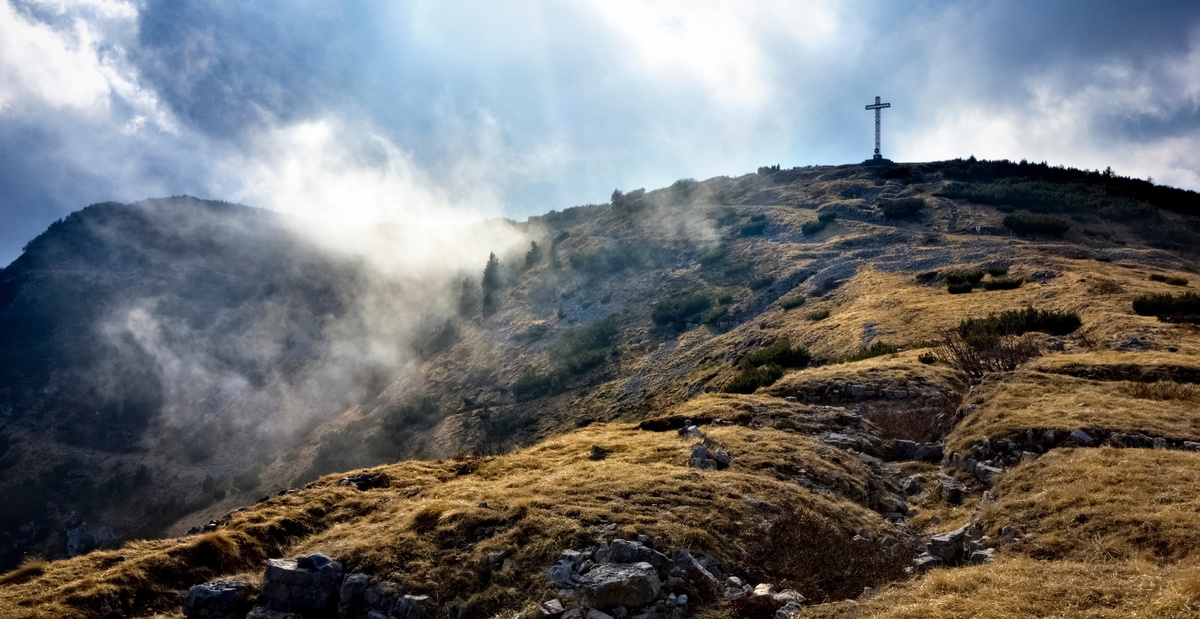
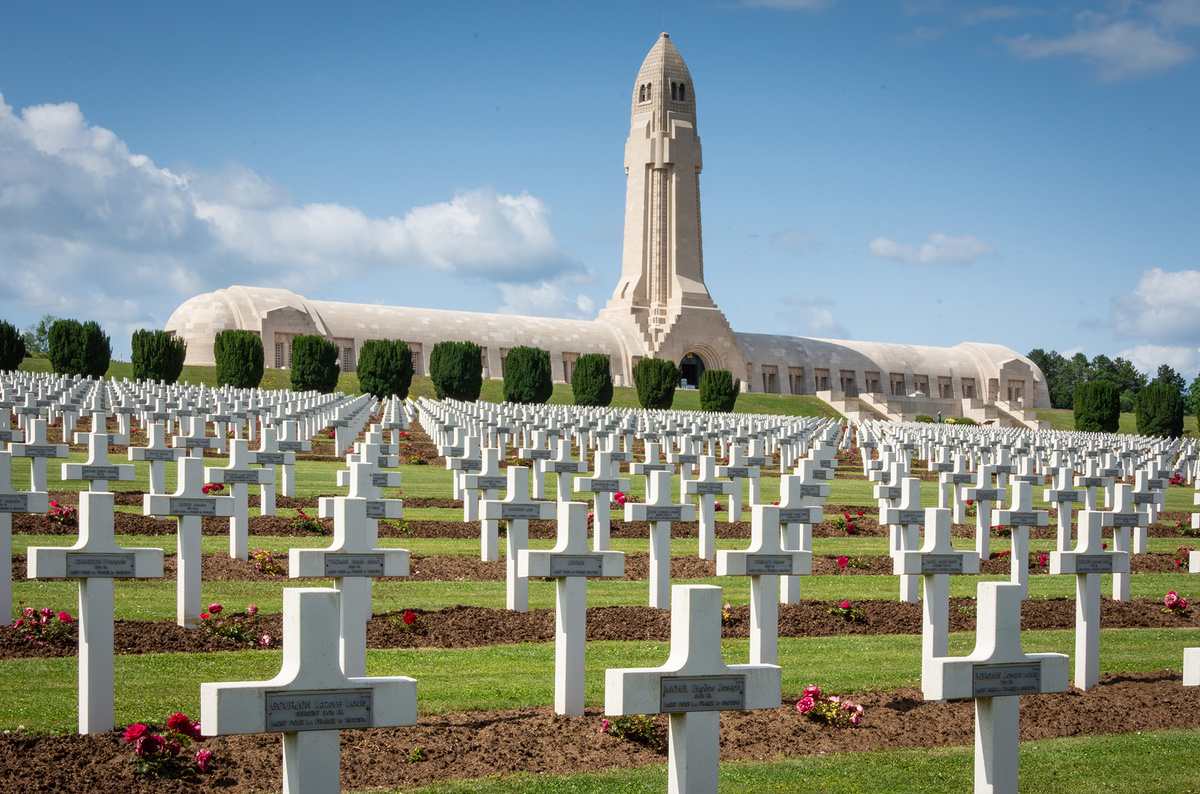
A week and several hundred kilometres later, following my exploration of the Verdun battlefields, the site of the longest and one of the most destructive battles of the Great War, I rode south to the fiercely contested ridge of Les Éparges and the memorial at Pointe-X overlooking the Woevre Plain.
There, I had discovered the writing of Maurice Genevoix, the soldier-author of Ceux de 14 - Les Éparges (The Men of 1914 ‘- Les Éparges) and the anguished questions he asked following his experience of the fighting for this ridge, where he was wounded seriously enough to be taken out of the rest of the war.
The follwoing excerpt from his book (Chapter 5- The Graves) poses fundamental questions about the purpose of the war, and coming from a French officer who fought there, had a big impact on my thinking at the time I came across it among the shell and mine craters on the ridge of Les Éparges:
Why are we fighting now, and in this way? To defend what? Win what? Already thousands dead for this fragment of a hill whose top remains beyond our reach. To kill Boches? Wear them out? But men can only be killed this way by sacrificing others, in the same or even greater numbers. And why?
As I continued south through this now tranquil landscape, I reflected on what I had seen and read and decided that I could not let these matters rest:
Here, in the quiet countryside and small, pretty villages of the Longeau valley, my mind was made up. I would go beyond simply noting the sequence of events that led up to the Great War, as I had been trying to do from my reading and museum visits. I would need to go much further, to harness what was fast becoming a fierce determination to find out who took the fateful decisions that set Europe on the course to conflict.
I wanted to understand why they took those decisions and who bore the responsibility. The substance of this new journey would have to await my return home, but while still on the road I could at least make a start, processing all I had learned so far and taking in what more I could find during the remaining days of my ride.
Chapter 19: The Writers of Les Éparges (page 414)
But what can I do?
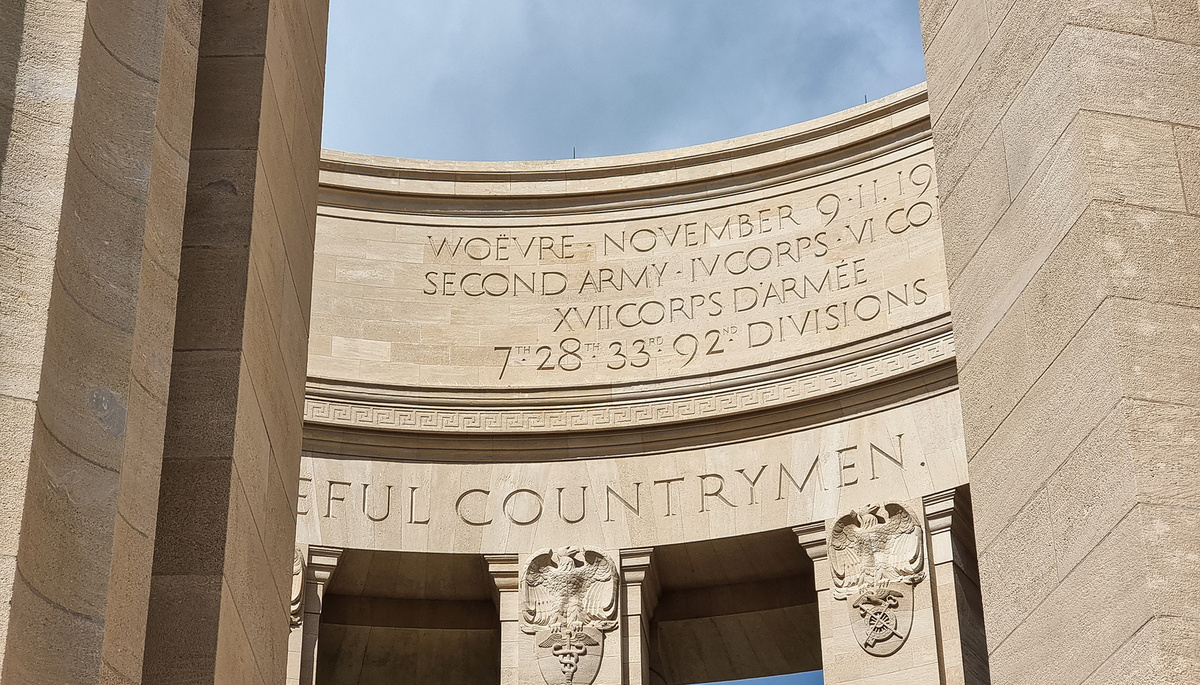
Why asks Maurice Genevoix, and why indeed? That is what I needed to find out. In the cemeteries and at the memorials I had visited each day in what had become the ritual element of my pilgrimage, I had struggled to hear the voices of all those young men who seemed to hold me back, to prevent me from leaving, as if I had not yet done enough to honour their short lives and untimely deaths. Until, at Montsec (page 421), I sensed they were urging me never to forget, and to do something to prevent this happening again.
A call to action
Picking up on this call to action, for that it what it felt like to me at the time, by the time I reached the battlefield of La Fontanelle (Hill 627) in the Vosges foothills, I was looking to constructive ways of responding:
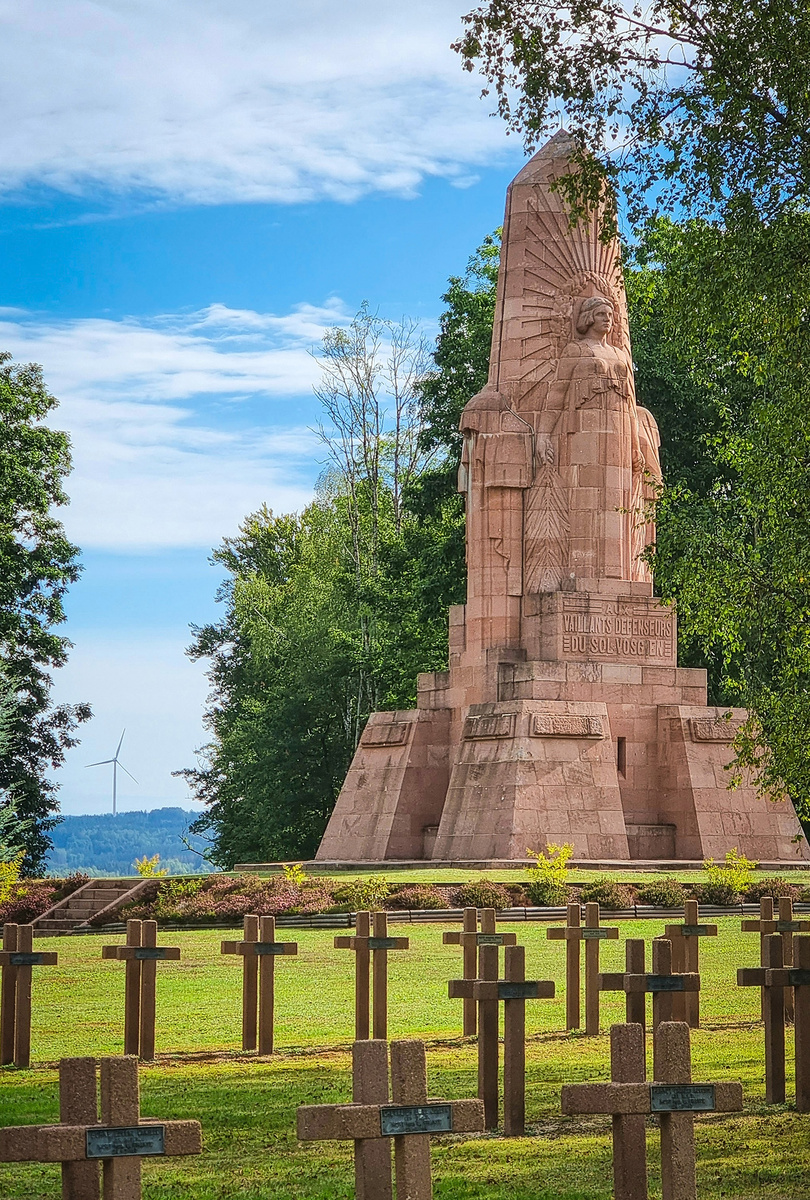
I was seeking transformation in a number of ways on this journey, but perhaps my repeated, ritual visits, and the reflection these engendered, were leading me towards a new purpose.
Could I perhaps contribute in some way to preventing the pain, loss and destruction of conflict? That seemed a bit ambitious, to say the least, and I had no idea even where to start. I needed to begin with something more accessible.
What about promoting what I had been discovering about remembrance and reconciliation on the Western Front, and the importance and value of that?
Understanding the causes of the Great War would be a good start, and with my new mission reinforced by Verdun and the writing of Maurice Genevoix, I would hopefully also gain some insights into those burning questions of responsibility.
Here at Hill 627, surrounded by the old trenches, neat rows of gravestones, evocative paintings and the stories of those two soldiers*, I was still feeling dubious as to whether I could achieve anything genuinely useful. What can one person do, given how many others have devoted their working lives to the very difficult and complex tasks of preserving peace and defusing conflict? But raising awareness of much of what I had seen was at least a positive and practical way to start, and worth a try. And was this perhaps the first stirrings of an evolving, more outward-looking expression of my inner mission of reparation?
Chapter 22: Hill 627 (page 461)
* This refers to the memorable stories of two ordinary men, a French soldier, Marcel Frambonne and a German officer, Hermann Schützinger, drawn into the war and fighting each other here at Hill 627, and which are posted on an information panel at the Fontanelle memorial site.
Publishing my book about the experience of exploring the Western Front by bike was my principal response to the 'But what can I do?' conundrum, through which I was hoping to inspire others to make their own journeys and ask their own questions.
Finally, in the Epilogue of my book, I looked back on the journey and everything that I had experienced and felt, I began to formulate a concrete plan of action:
My first step would need to be a return to the history of the Great War. For how could I make an informed contribution to helping promote the understanding of war and securing peace, however modest, if I did not myself have a clear appreciation of the causes, and possess at least some answers to questions of responsibility and accountability? While it is the case that the circumstances leading to any given war are in some respects unique, so one should be cautious of generalisations, the Great War was in many ways the defining historical event of the twentieth century. It set the scene for many of the key political, social and institutional changes and events that followed, including arguably, the conditions that led to the Second World War. So, it is a good place to start.
Epilogue (page 509)
My questions on the causes of, and responsibility for, the Great War
So, here are those questions about causes of, and responsibility for, the Great War that pre-occupied me on a daily basis as I cycled the Western Front, more or less in the chronological order (or distance into my Western Front ride) in which they arose:
1. What were the key historical events that led up to the moment that the belligerent countries declared war in 1914, and how far back in history does one need to go to properly understand this sequence of events?
2. Who made the decisions that brought this about? What were the most consequential among those decisions, and why were they taken?
3. What were these influential political, diplomatic and military people thinking at that time? What were their motivations, and did those include the idea that war was a legitimate and acceptable means of achieving their policy goals.
4. Were some, at least, of these influential people trying at all costs to preserve peace, despite rising international tensions, and if so, who were they and why did they not prevail?
5. Are the answers to these questions about causes and responsibility for the Great War relevant to the situation we are in today? In other words, are there useful and important lessons from history here, or does this all belong to an earlier era that was quite different from the modern world? On the other hand, if what we can learn about the causes of The Great War does offer warnings about the risks of a new large-scale conflict, what does this tells us about whether and how this could be avoided?
Are the causes of the Great War at all relelvant to the risk of major conflict in the contemporary world?
In respect of my last question, I would add that over the last few years as war rages between Russia and Ukraine, yet again in the Middle East, and with mounting tensions around Taiwan and in the South China Sea I have heard a number of historians speak about how they fear that the conditions prior to 1914, and which led to a catastrophic war then, echo those they see in today’s world. The most powerful expression of this perspective that I have found to date is by Odd Arne Westad (Elihu Professor of History and Global Affairs at Yale University) in his compelling and unsettling recent book The Coming Storm: Power, Conflict and Warnings from History (Allen Lane, 2026) in which he writes:
If there are lessons from history, now is the time when we need to heed them, so that we do not end up in another Great Power war because of the fatal combinations of jingoism, fear, fatalism and sheer stupidity that set of the first major conflict of the twentieth century.
The great majority of people alive today have come of age in a world of remarkable stability, presided over by one or two Superpowers. This is not to say that the world has been peaceful; but it has to an extent been predictable. As an increasing number of Great Powers now jostle for regional supremacy our world has become more fragile, unpredictable – and combustible.
To understand the threats that face us in this complex new terrain, we must look to the lessons of the late nineteenth and early twentieth century – a time when Great Powers clashed and sought regional dominance, when nationalism and populism were on the rise, and many felt that globalization had failed them: a time, in other words, that carries eerie parallels with our own.
Odd Arne Westad (2026)
And note that here he is referring to ‘the first major conflict of the twentieth century, that is the First World War, not the Second. I’ll return to Westad’s narrative in later parts of this blog as I believe it is highly relevant to my exploration of this topic.
So, understanding the causes of, and responsibility for, the Great War, seems to be a highly relevant objective for anyone who, like me, has been immersed for several weeks in the history of the Western Front, and is now highly motivated to examine contemporary questions about the avoidance or war and the preservation of peace.
Are the causes of the Great War not already well-established?
Many people might believe that the causes of the Great War are already clear and well-established. In fact, as will become apparent across the pages of my blog, this is far from being the case. Indeed, as I will go on to document in Part 2 of this Blog, several of the eminent historians who have written extensively on the subject have expressed the view that the causes are neither fully understood, nor is debate about these closed.
First steps of a new journey
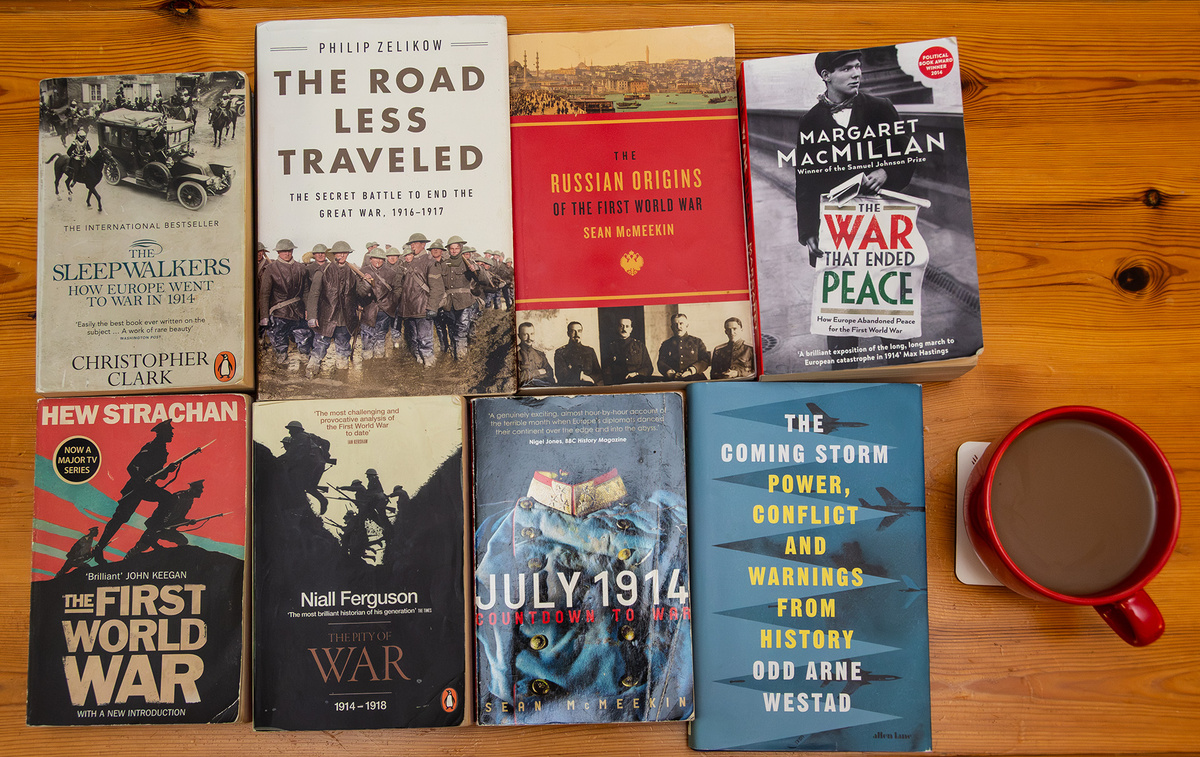
So, I remain determined to make my own efforts to understand this challenging topic. When I got home after my ride in 2016, I decided to take the first steps of this new journey, starting by looking for recent, academic histories that offered what I needed most, namely balanced and reliable factual accounts with thoughtful interpretation.
Sources, struggles and strategies
Having decided to take on this challenge, I will explain in Part 2: Unravelling the Tangled Threads of History, how I went about finding suitable historical sources and then found myself struggling with a level of detail and complexity that threatened to overwhelm defeat me in this endeavour. That was until I developed a strategy for organising the vast amount of interconnected historical information through the development of a synchronous timeline, documenting the key events, actions and decisions involving all the Imperial Great Powers and other countries that went to war in 1914. This helped me see and understand the threads of cause and effect, over time and across countries, whch in turn allowed me to draw my own conclusions about what led to European (and global) war in August 1914, and who were the chief protagonists in that tragedy.
A comment on the title of this blog
Before moving on to the first stage of my new journey of historical discovery, I should comment on the title I have chosen for this blog, namely, Imperial Ambitions and Fateful Alliances: a cyclist’s journey through the causes of the Great War.
Imperial Ambitions and Fateful Alliances are core elements of the story and more insights into these will emerge as the story evolves.
In respect of the second part of my blog title: a cyclist's journey through the causes of the Great War, well, there is no question that I could not literally have cycled through the causes as that would have required travelling halfway around the world, and given the monumental changes in geopolitics in the intervening century in those parts of the world formerly controlled by the belligerent imperial powers, I would probably also have needed access to a time machine.
But it was my journey along the Western Front that stimulated that fierce determination to find answers to these questions and once started out on this journey of historical enquiry, to persist in dealing with the complexities and making sense of the varied and sometimes conflicting interpretations of the very extensive body of historical evidence I have explored.
So, a cyclist’s journey it is. This project is above all the product of the inquisitive mind of a cyclist responding to immersion in the awful reality of the Great War on the Western Front and being unable to set aside the resulting questions on cause and responsibility.