Nigel Bruce

Images from the Western Front

Most of the images in this gallery (photos and drawings) are included in my book, The Road of Hope and Sorrow: by bike along the Western Front of the Great War. The selection presented here is intended to give visitors to my web site a feel for the extraordinarily rich heritage available to those visiting the old battlefields, memorials, cemeteries and the excellent museums along the Western Front, all of which are described in more detail in my book. These images are arranged by the following four sectors of the Front to help orientate viewers to what can be found in different parts of the Western Front and to show that there is a great deal of interest to see and learn about in areas other than those that are best known and most frequently visited such as those in Flanders (e.g. Passchendaele) and the Somme.

Some of the images shown here and which are not in my book relate to new material I am developing on the causes of, and responsibility for, the Great War, work about which in due course I'll be writing more on my Blog page on this web site.

All photos and artwork © Nigel Bruce.

Select a category to view its images

Flanders and northern Artois

Flanders and northern Artois once the position of the Western Front was set after the 1st Battle of the Marne and the Race to the Sea saw fighting mainly by British and Commonwealth forces, although the French army was the main force involved in the early battles of Artois to the north of Arras.
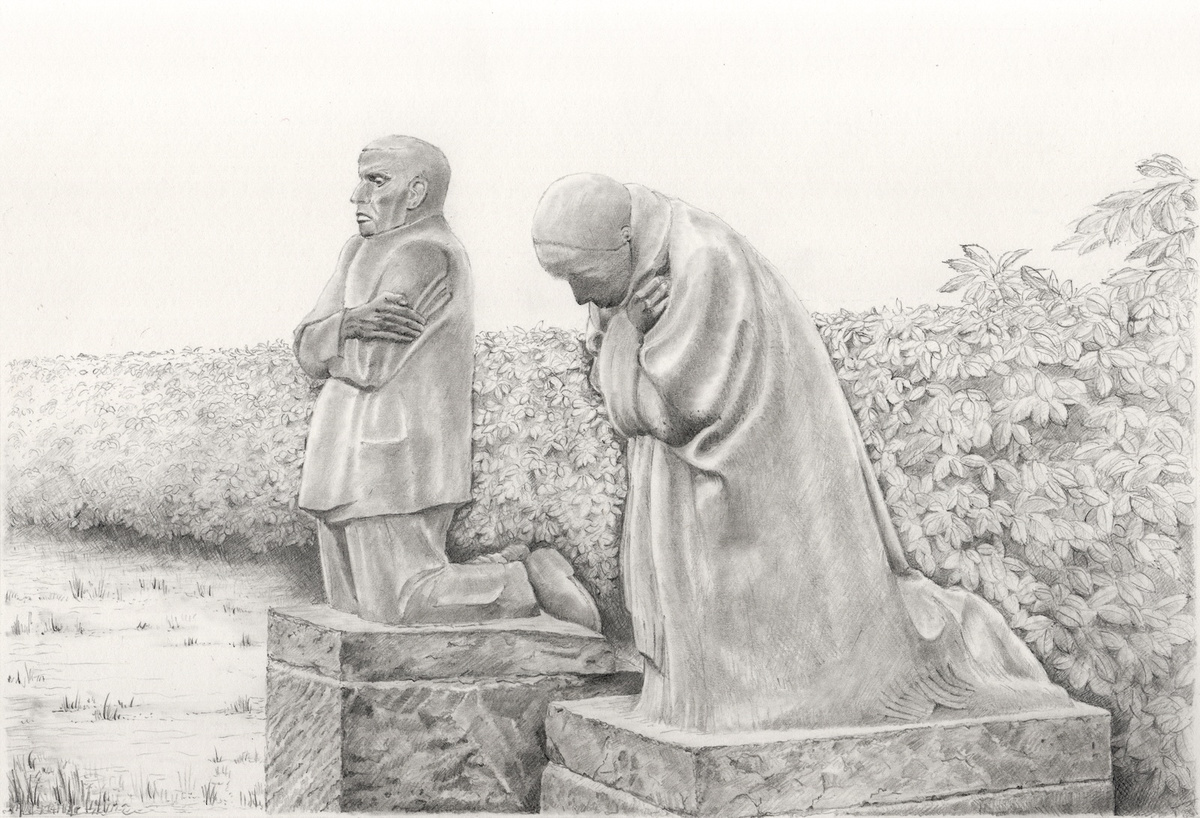
<p><em>The Grieving Parents</em>, the very moving memorial at the Vladslo German Cemetery naer Diksmuide by German artist and sculptor K&auml;the Kollwitz for her younger son, Peter, who was killed in late 1914 near Langemark during the First Battle of Ypres.</p>
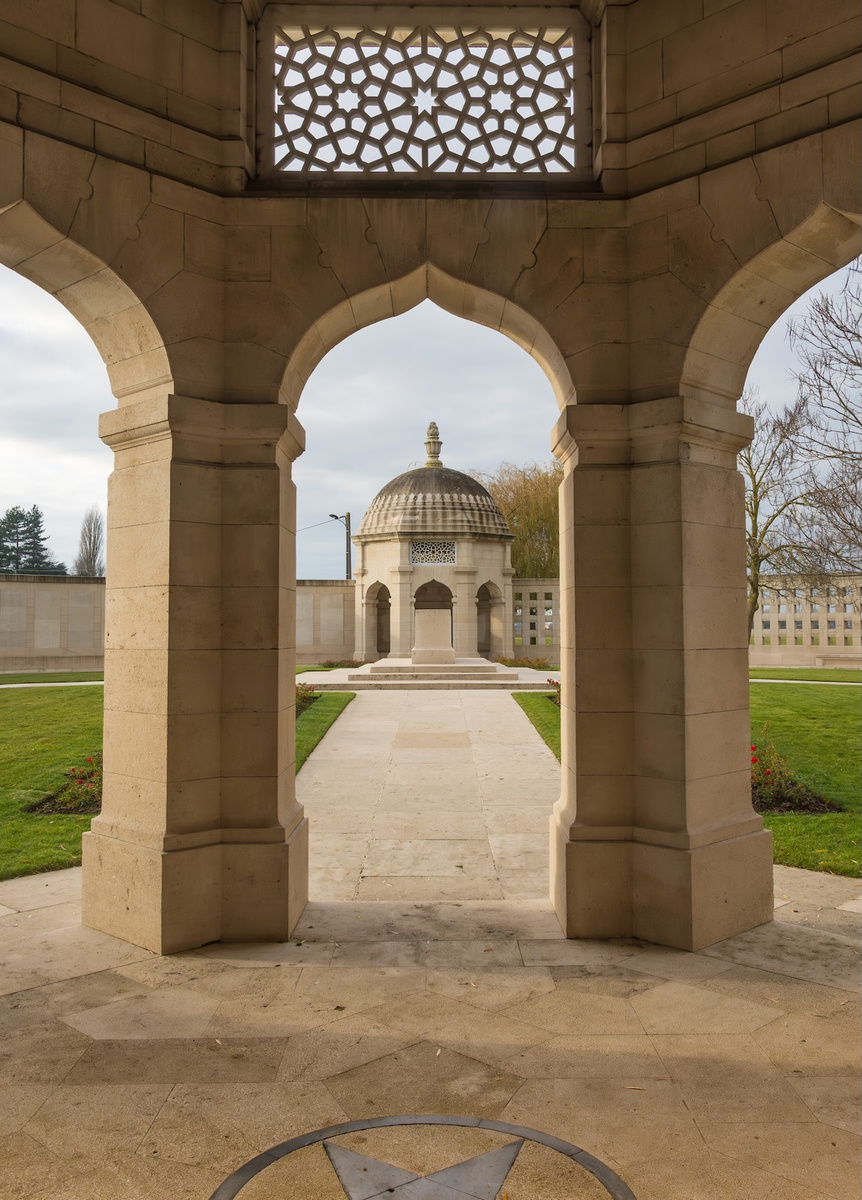
<p>The Indian memorial and cemetery at Neuve Chapelle that remembers the many Commonwealth soldiers and support staff from Britain&rsquo;s Indian colonies who served and died in this sector of the Western Front.</p>
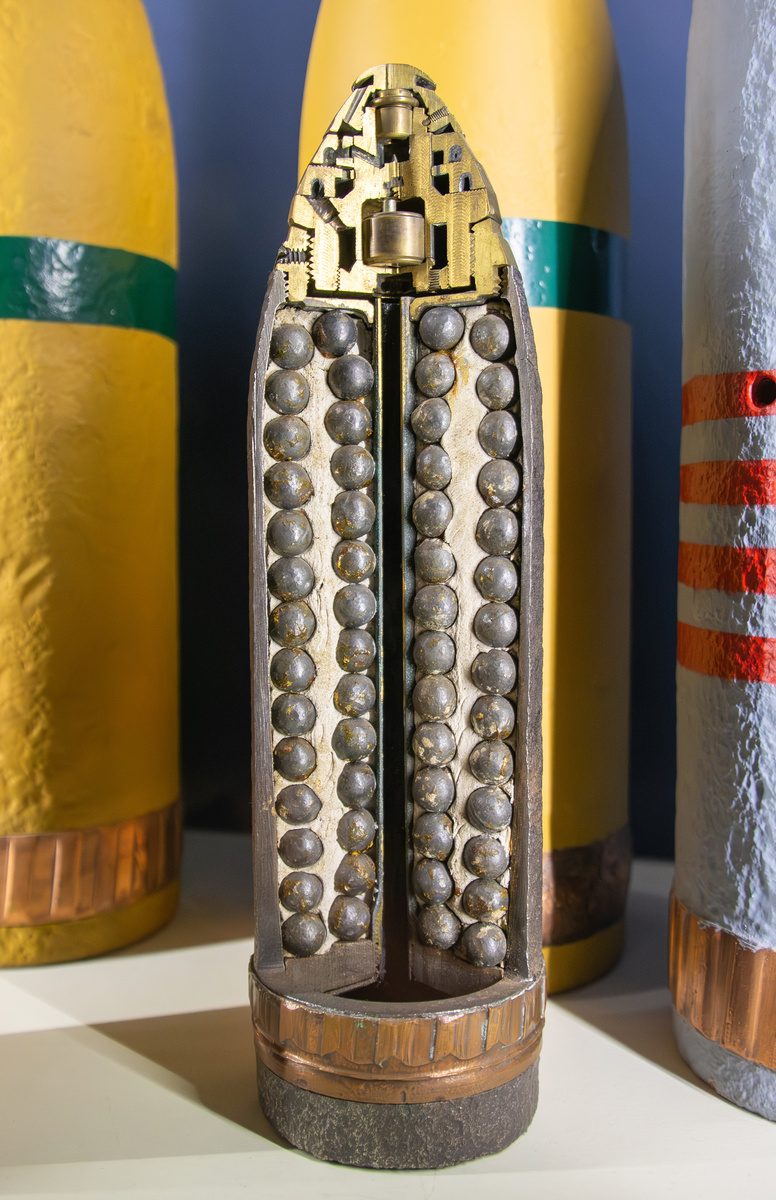
<p>A shrapnel anti-personnel shell, named after its developer, Lieutenant-General Henry Shrapnel, displayed at the Memorial Museum Passchendaele 1917 in Zonnebeke near Ypres, showing the many spherical projectiles that were ejected on detonation at a speed that combined the ballistic velocity of the shell and the additional momentum from the detonation.</p>

The Grieving Parents, the very moving memorial at the Vladslo German Cemetery naer Diksmuide by German artist and sculptor Käthe Kollwitz for her younger son, Peter, who was killed in late 1914 near Langemark during the First Battle of Ypres.
<p><em>The Grieving Parents</em>, the very moving memorial at the Vladslo German Cemetery naer Diksmuide by German artist and sculptor K&auml;the Kollwitz for her younger son, Peter, who was killed in late 1914 near Langemark during the First Battle of Ypres.</p>
<p>The Indian memorial and cemetery at Neuve Chapelle that remembers the many Commonwealth soldiers and support staff from Britain&rsquo;s Indian colonies who served and died in this sector of the Western Front.</p>
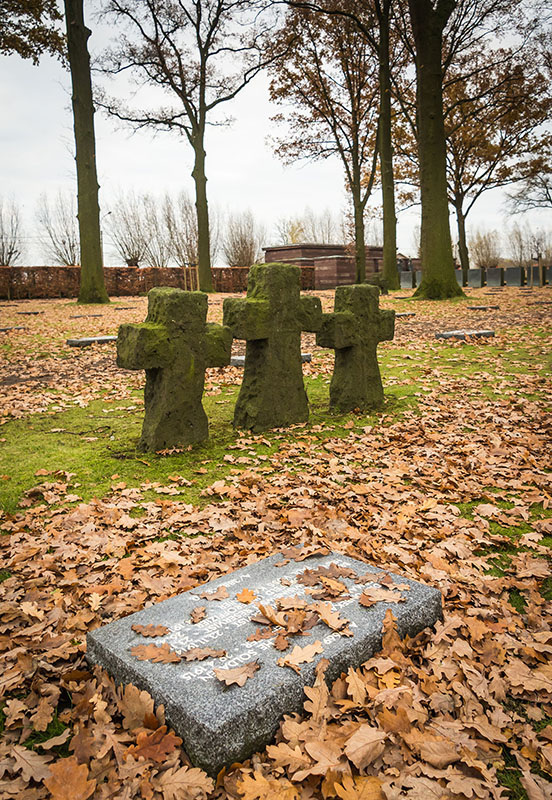
<p>Langemark German Cemetery, some 15 km to the north-east of Ypres, is the site of mass burials of almost 45,000 soldiers, and is one of the most important German war cemeteries in Belgium, including the young &lsquo;student&rsquo; soldiers said to have been marched to their deaths singing the national anthem, and which gave rise to the &lsquo;myth of Langemark', a propaganda exercise promoted by the German High Command</p>
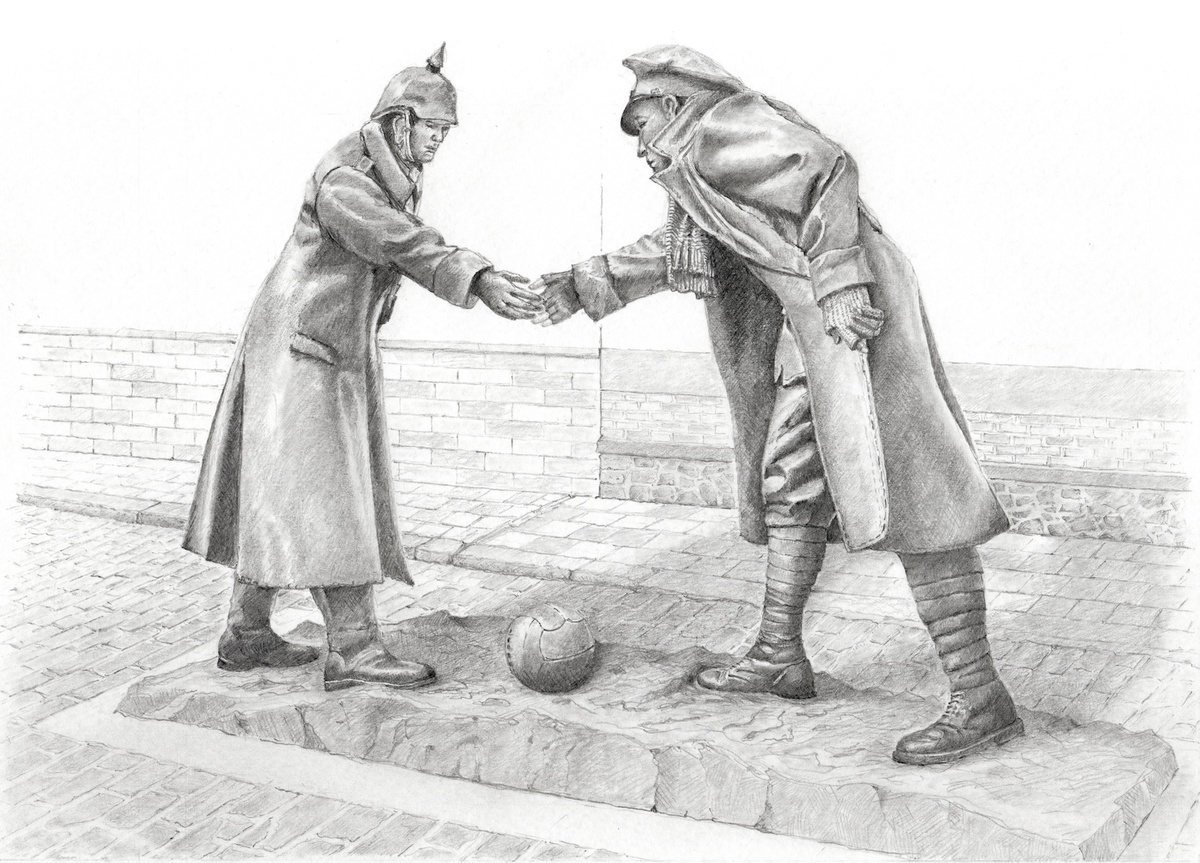
<p>The Christmas Truce memorial at Messines, a village a few kilometres to the south of Ypres, designed by Andrew Edwards and cast at the Castle Fine Arts Foundry near Oswestry in Wales, this commemorates the common humanity of British and German soldiers who laid down their arms, exchanged gifts and played football at Christmas 1914, much to the consternation of their senior officers who saw this kind of &lsquo;fraternisation&rsquo; as a threat to fighting spirit.</p>
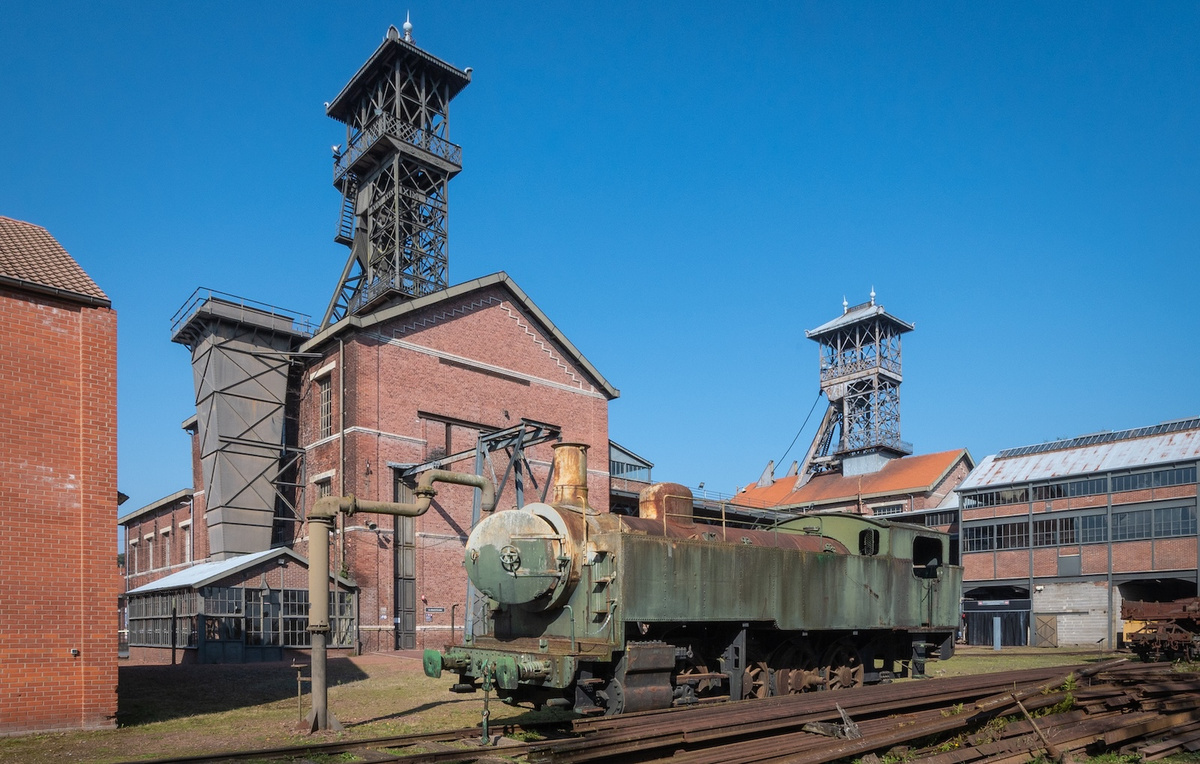
<p>The Mining History Centre at Lewarde, near Douai, France, offers wide-ranging insights into the fascinating economic, technical and social aspects of the formerly vast mining industry in the Nord-Pas-de-Calais region, and the impacts of the Great War on the pits as many were badly damaged, severly affecting the economy of the area and the country.</p>
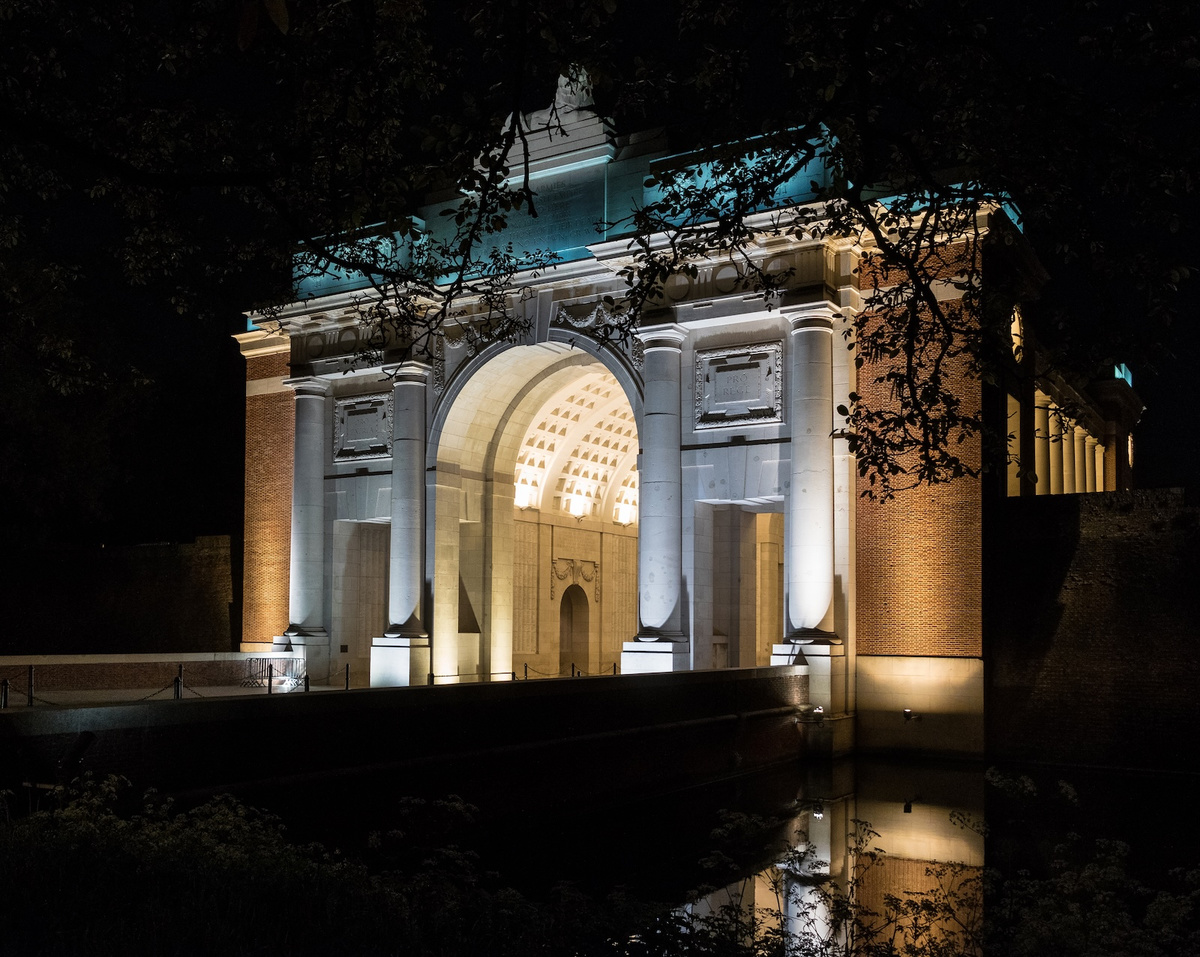
<p>Designed by Sir Reginald Blomfield and unveiled in July 1927, the Menin Gate stands at the site of one of the old defensive gates of the city of Ypres. It commemorates 54,00 British and Commonwealth &lsquo;missing;&rsquo; that is, soldiers who were killed in the Ypres Salient and whose remains have not been found. The memorial holds the Last Post Ceremony every evening at 8 pm, when buglers play the Last Post and acts of remembrance for fallen soldiers take place.</p>
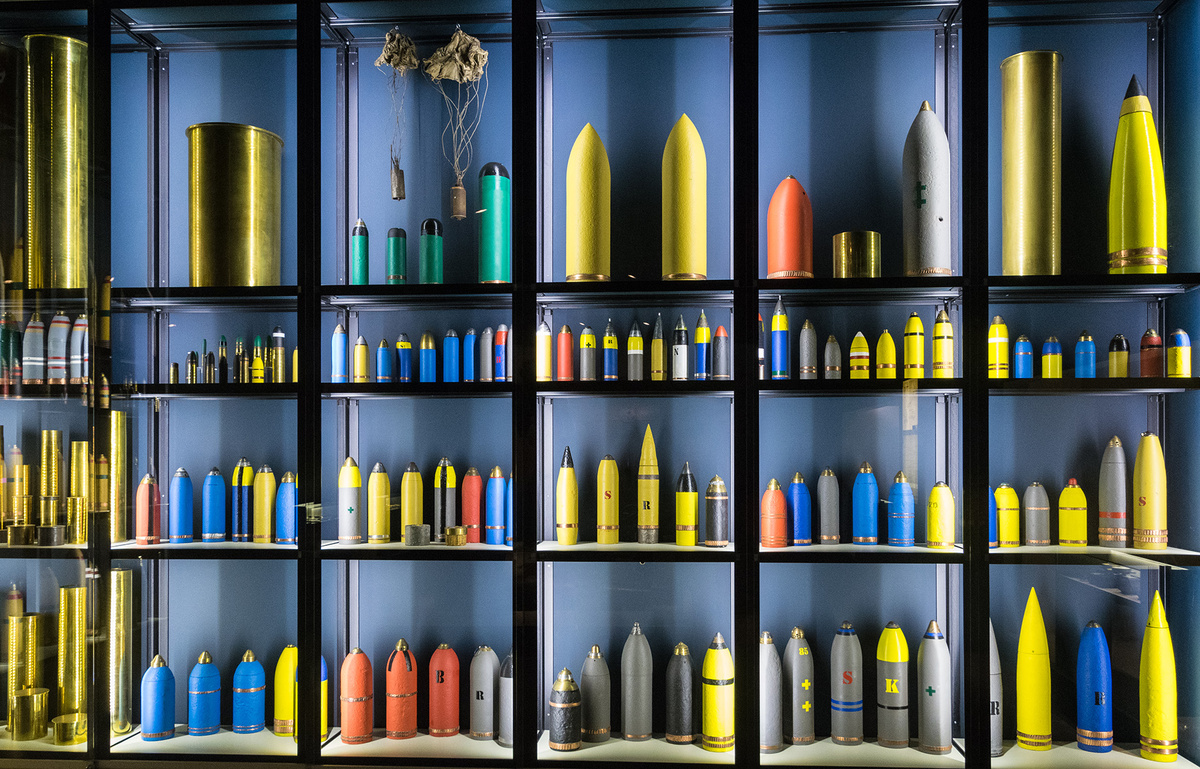
<p>A display of shells, conventional and gas, at the Memorial Museum Passchendaele 1917 in Zonnebeke near Ypres.</p>
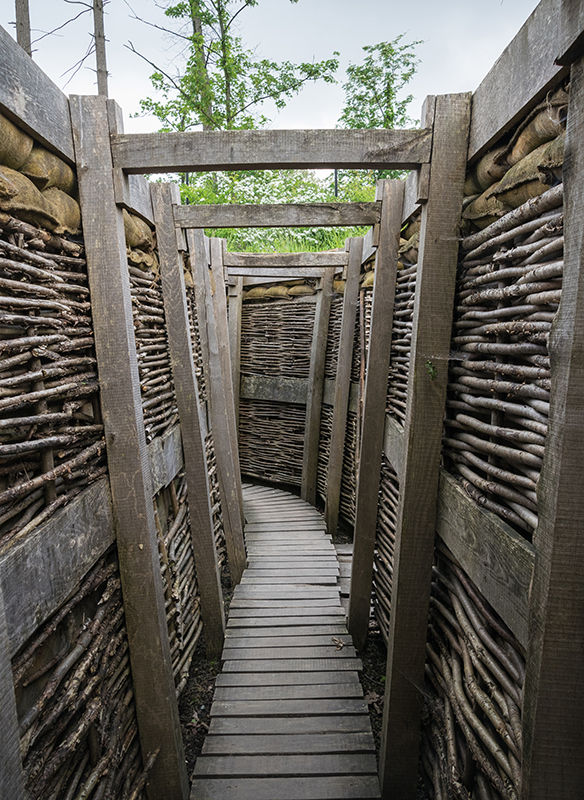
<p>Reconstructed British A-frame trench at the Memorial Museum Passchendaele 1917 in Zonnebeke near Ypres. Nearby, in this part of the museum, is a typical German trench</p>
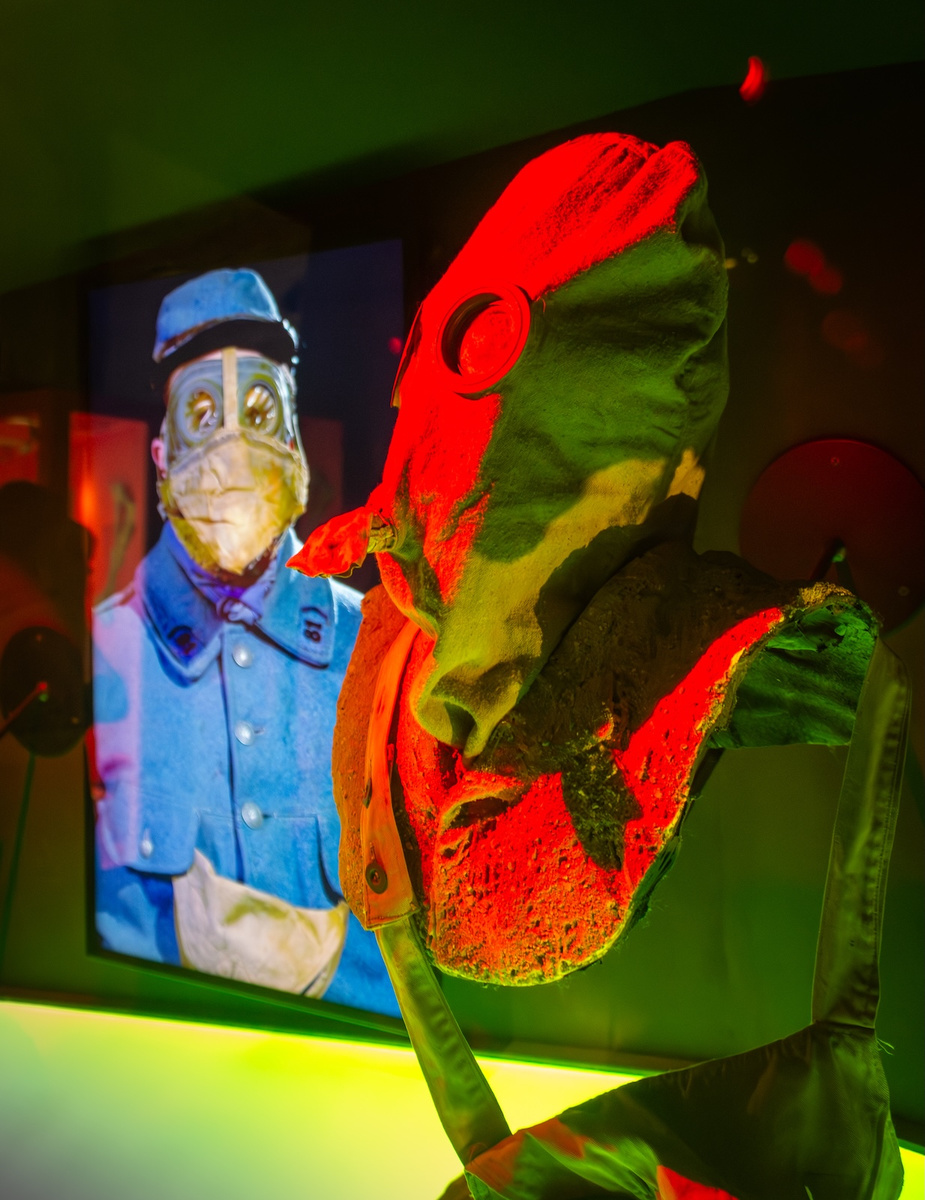
<p>Part of the display on the use and effects of gas during in the Ypres Salient battles at the In Flanders Fields Museum, Ypres. The 2nd Battle of Ypres saw the first use of poison gas (chlorine), in warfare in April 1915, by German forces.</p>
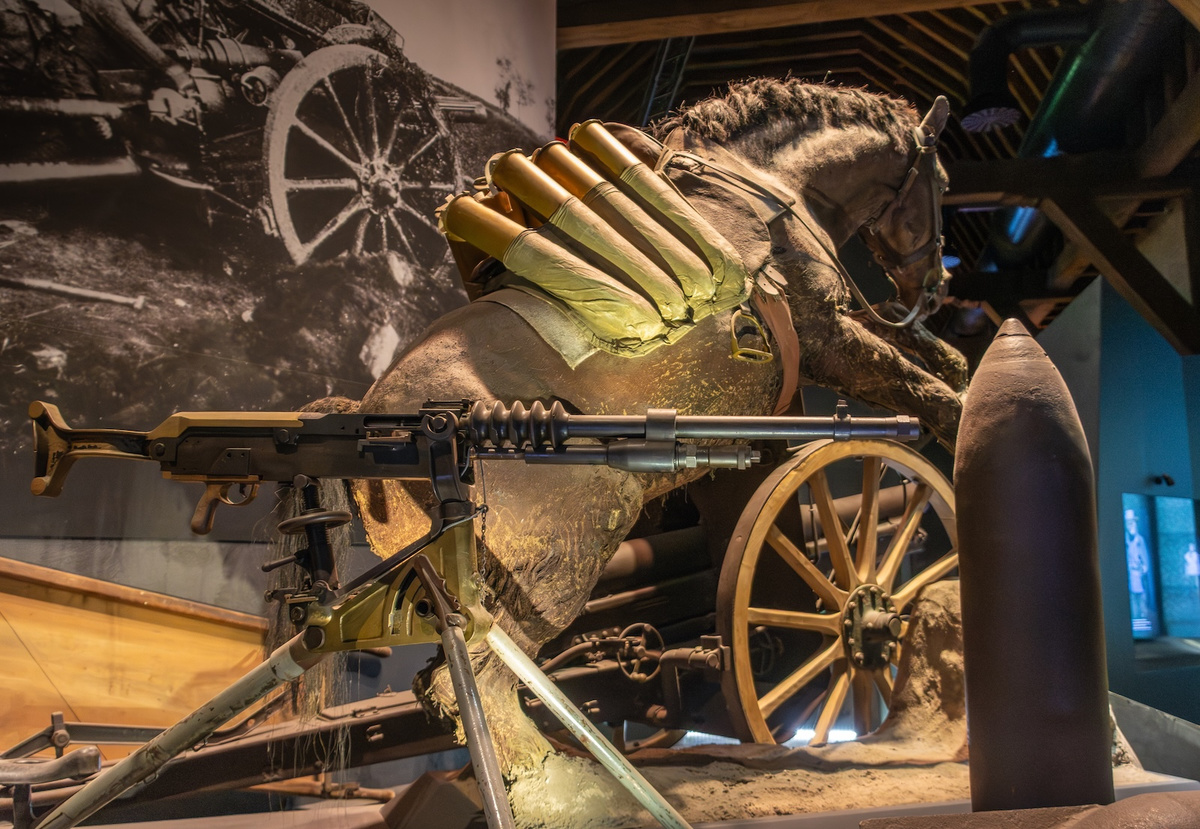
<p>Dsplay on the use of horses in the Great War, here carrying shells, at the In Flanders Fields Museum, Ypres.</p>
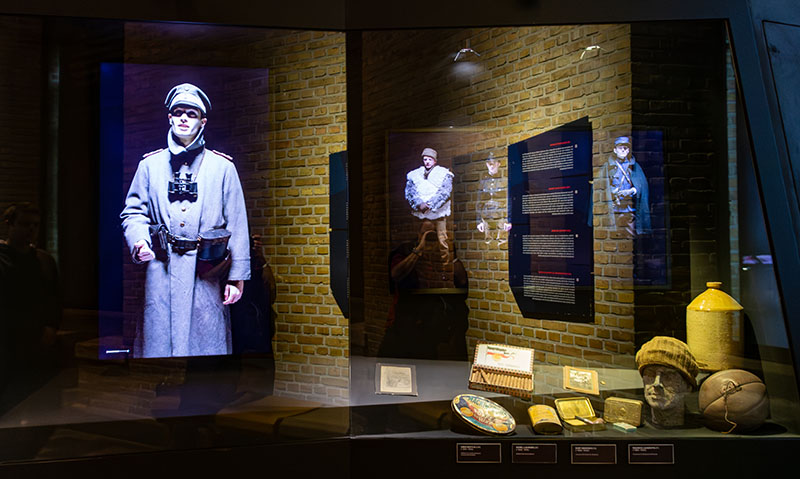
<p>An animated display of soldiers&rsquo; stories, at the In Flanders Fields Museum, Ypres.</p>
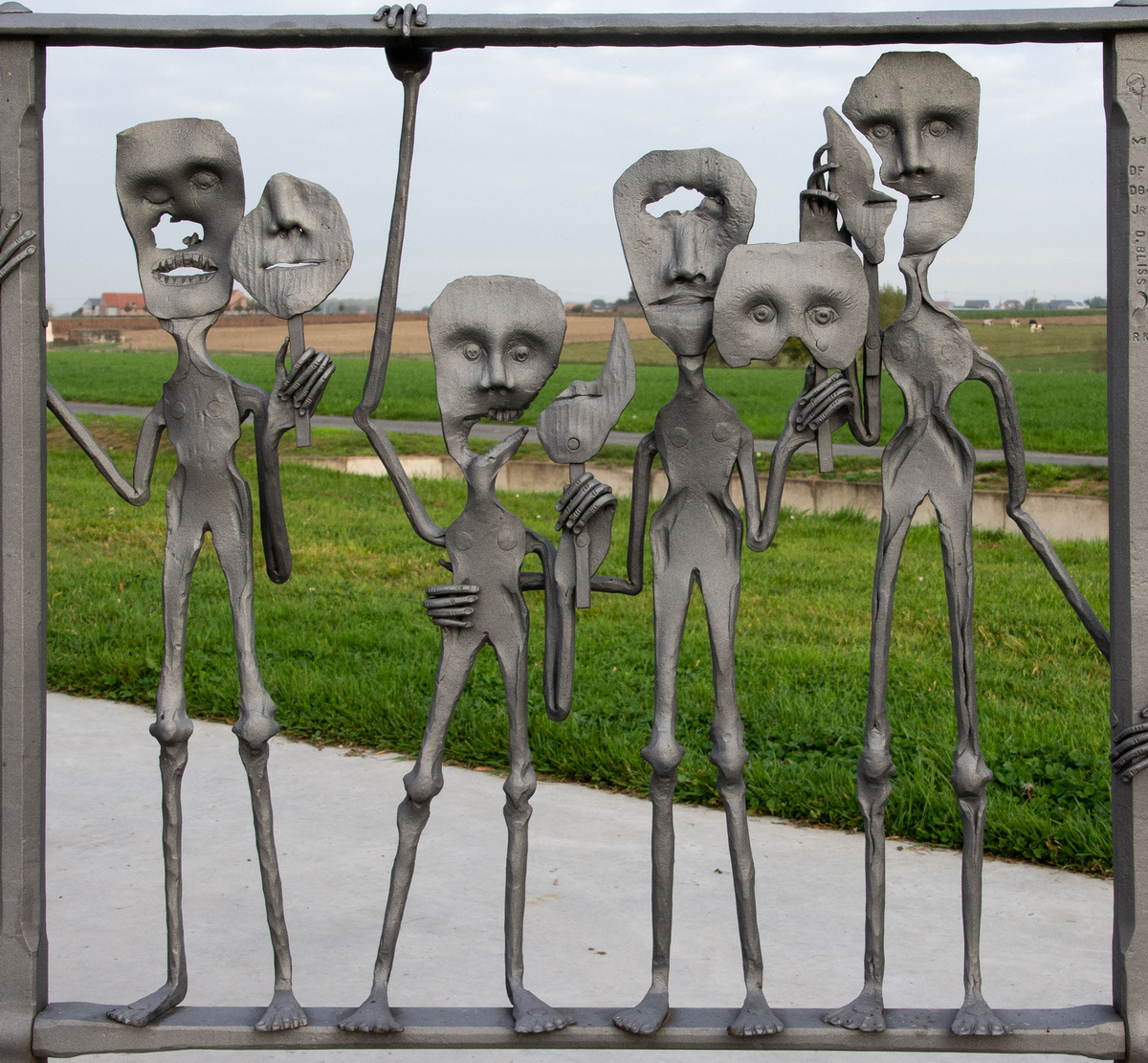
<p>Sculptures at the Ypres Peace Monument located next to the German Cemetery at Langemark. These broken and torn figures are among a series set into the railings around the memorial created by international craftsmen to illustrate their interpretations on war and remembrance.</p>
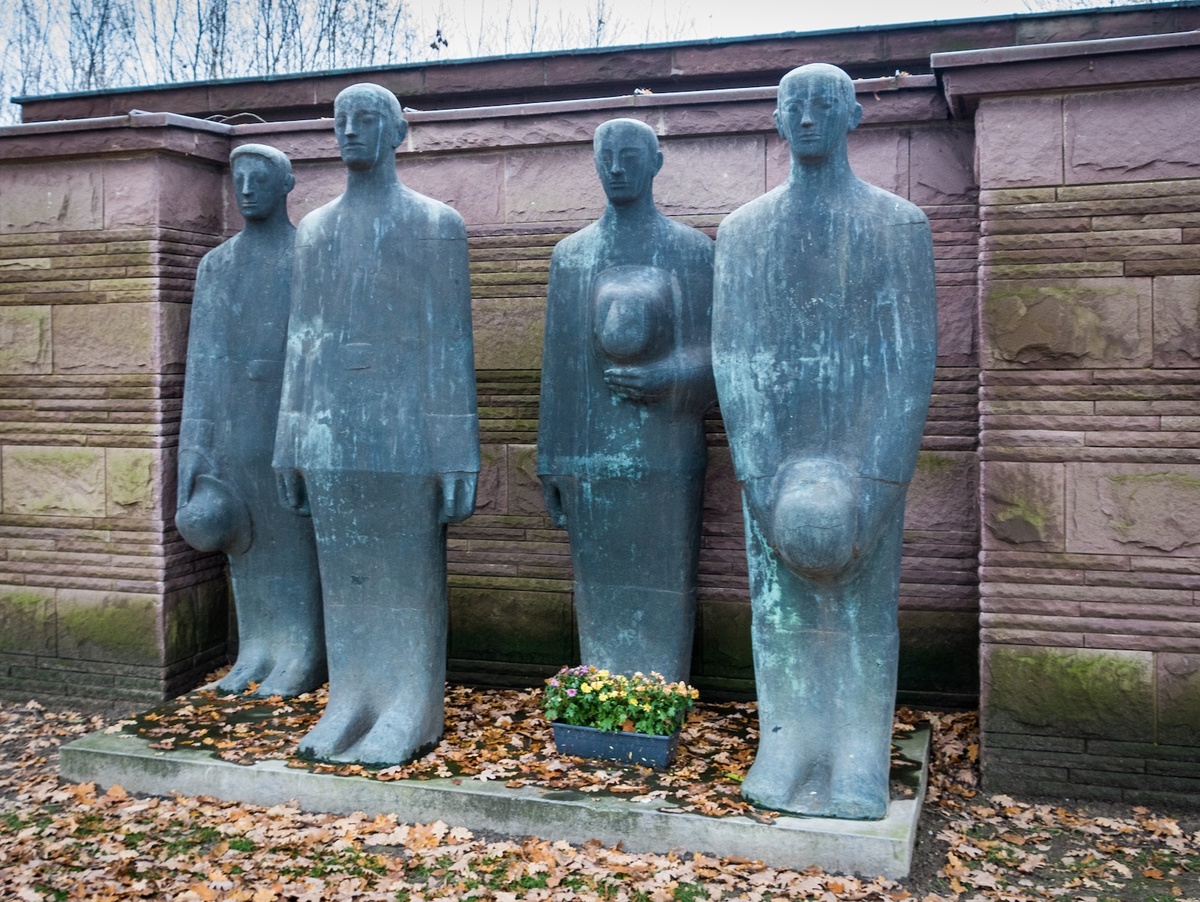
<p><em>The Mourning Soldiers</em> at the Langemark German Cemetery, a work by German sculptor Professor Emil Krieger.</p>
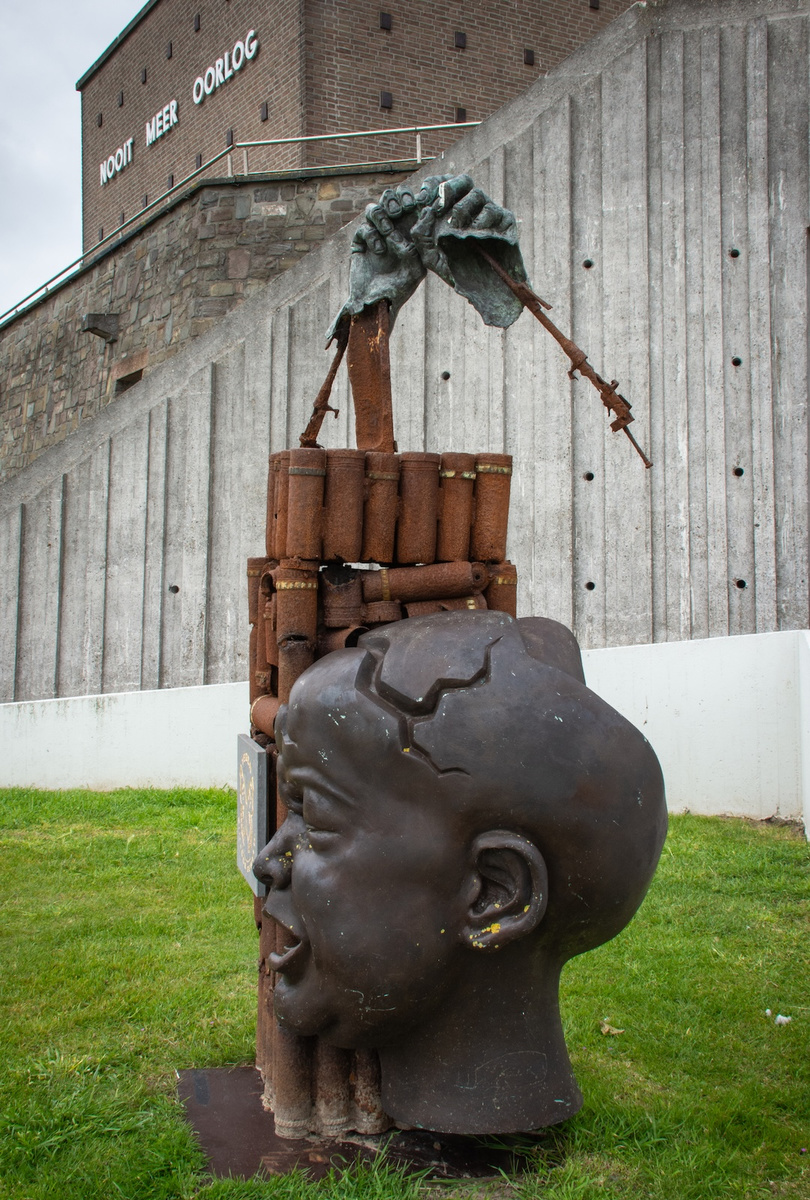
<p>Nooit meer Oorlog (No more war) in Flemish on the side of the UN Peace Museum at Diksmuide and one of the sculptures in the garden below that has been created using remnants of the deadly equipment of war</p>
<p>A shrapnel anti-personnel shell, named after its developer, Lieutenant-General Henry Shrapnel, displayed at the Memorial Museum Passchendaele 1917 in Zonnebeke near Ypres, showing the many spherical projectiles that were ejected on detonation at a speed that combined the ballistic velocity of the shell and the additional momentum from the detonation.</p>

Get in Touch

Whether you have a question about The Road of Hope and Sorrow, would like to discuss Nigel Bruce’s journey along the Western Front, or are interested in inviting him to speak at an event, please use the form below to get in touch.